
We kicked off Season 3 of Paws, Reflect and Learn with Katie discussing why dogs take treats rough and how to teach dogs to accept treats gently. Too often we meet dogs that chomp down on your hand when you deliver a treat. It is important we understand why they act this way and how to teach dogs to accept hand-feeding properly.
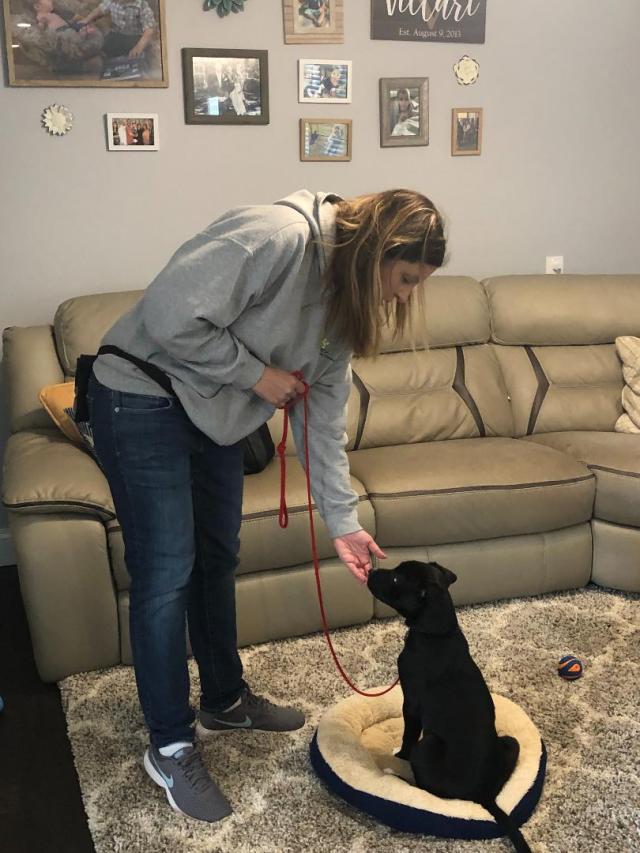
Food is one of the most popular motivators in dog training. One scenario where food can be a problem is when a dog nips while eagerly snatching treats from your hand. Not only does this make it unpleasant to feed some dogs by hand, it can lead to injury. Not to mention that dog bites, even accidental bites, lead to trouble for the dog and its owner.
Below we’ve listed a few reasons that dogs take food from our hands too hard, along with tips to resolve each issue:
Pinching food between your fingers.
When delivering treats to a dog, do so with an open hand rather than pinching food between your fingers. Dogs don’t typically understand how to remove food held between pinched fingers and their attempts can end by nipping skin.
Feeding out of the palm of your hand provides a flat surface for dogs to eat from. This method usually leads to slower eating and gentler retrieval of food. Slightly cupping your hand prevents food from dropping to the floor while the dog eats it.
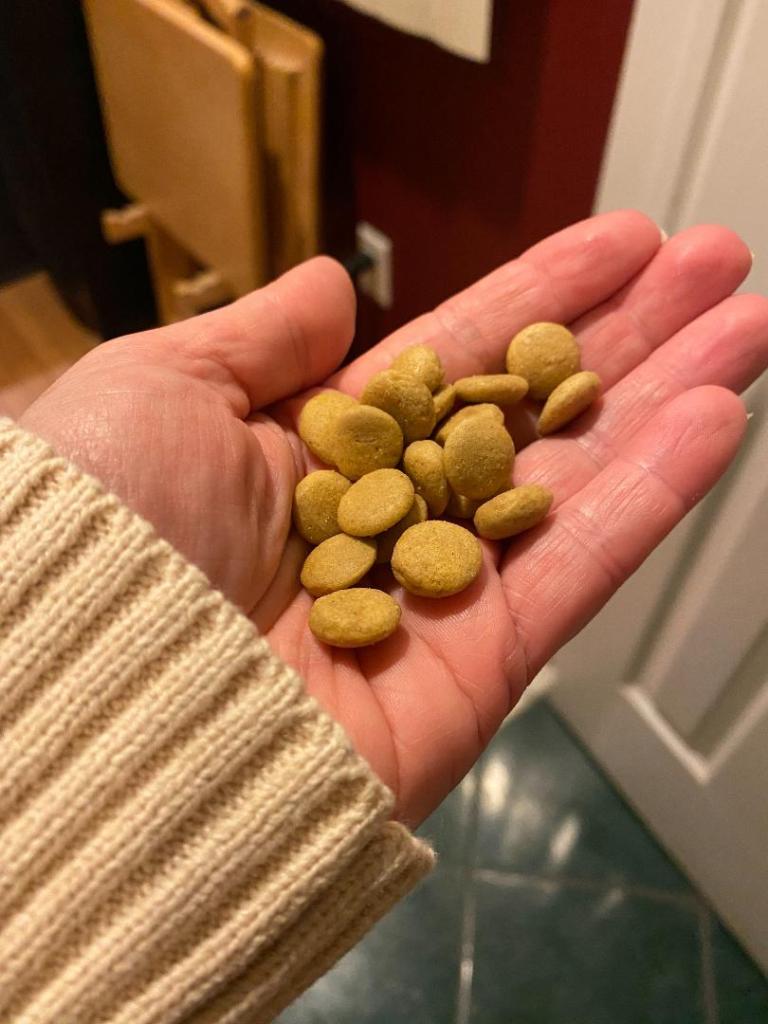
While this method works in many cases, there are dogs who continue to nip your hand while ravenously gulping food from it. These dogs require training to teach them how to take treats.
The treats we are offering are too good
Receiving food that a dog greatly enjoys is exciting for them. An eager dog can accidently nip hands while retrieving it. A dog who snatches food from your hand should not receive high-value food through hand feeding. Instead, use lower-value food when training your dog to accept treats gently. Increase the value of the treat as the dog improves with the training.
Note: the value of a treat offered is determined by the dog’s desire to eat it. While some dogs drool over meaty treats and cheese, others desire dry dog bones or dog kibble.
The hungry dog
In most instances, trainers prefer to work with a hungry dog. For this lesson the opposite is true. When it comes to teaching dogs to take treats in a gentle manner, the lesson is more effective when the dog is not hungry.
The dog is excited (lacks impulse control), stressed or fearful
Excited dogs tend to take food rough. These dogs are often high energy or worked up over the environment. They may run up to grasp food and then take off again to enjoy the fun surrounding them. In addition to torn skin or pinched fingers, feeding an excited dog can pose a choking hazard for the dog. Dogs should not be fed unless they are calm.
If your current location proves to be too exciting for the dog, hold off hand feeding until you and your dog are in a calmer environment.
Feeding dogs in the presence of other dogs (and other people) can cause stress for your dog. This can happen during meal time and when hand feeding. Stress over food doesn’t apply only to dogs with resource guarding issues. Feeding with other dogs around can cause stress for any dog. Especially when the other dogs are pushy or more assertive around food. Stress can lead dogs to lunge and tear food from your hand. In the dog’s mind, they are going to get the food before the other dog has a chance to steal it.
Some trainers suggest using your dog’s name before providing the treat by hand. This way the dog knows when the treat is coming their way and when it is not. While I sort of like this technique, I worry it will not be effective if overzealous dogs repeatedly push your dog out of the way and steal the treat meant for her.
Dogs are not only stressed in the presence of other dogs when food is present, people can cause stress too. Consider putting distance between your dog and the stressor while hand feeding. Commanding dogs to sit, down or go to place before hand feeding may help alleviate some of their stress. If that doesn’t work, hold off feeding your dog until after the trigger has left.
Note: Any dog who exhibits resource guarding around bones, toys or food, should be separated anytime those items are offered. Not only can you or another person get bit, a dog fight could break out.
A pet peeve of mine is when a fearful dog is forced to take a treat from someone they are uncomfortable with. A fearful dog could feel discomfort with family members, strangers or anyone else they encounter. When one of these triggers offer the dog a treat, it may cause conflict for the dog. They want the tasty treat, but don’t want to go near the trigger.
A fearful dog who takes the treat, will likely do so fast so they can get away. This can absolutely lead to torn skin or painful nips. Not to mention likely worsening anxiety for the dog.
Delivery of the treat
Believe it or not, the way you deliver the treat to your dog makes a huge difference.
Lowering the treat from above the dog’s head, may lead to the dog jumping in order to retrieve the snack. In this case the front legs come off the ground to grab the treat. In some instances, the dog lowers himself back to the floor before the treat is released from your hand.
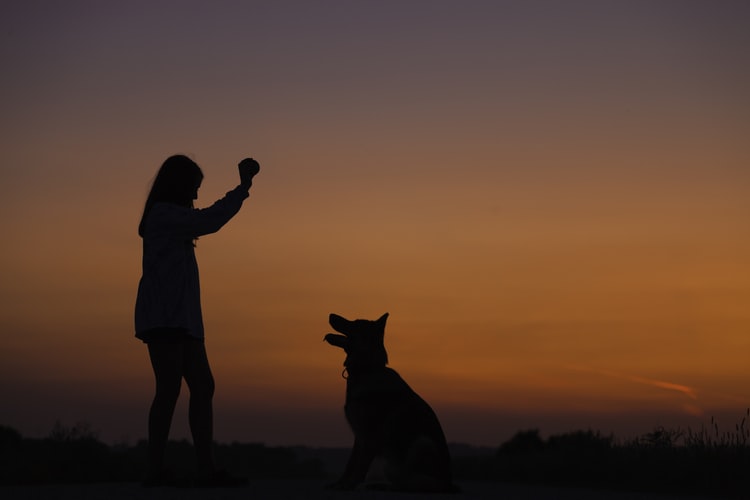
photo credit: Wyatt Ryan – Unsplash
Dropping the treat. Children and some adults want to hand feed the dog, but the moment the dog walks over to their hand, the person panics and drops the treat on the floor. The dog may lunge in an attempt to catch the treat before it hits the ground. This is especially true if other dogs are around.
Taking-it-back . There are also children and adults who extend the treat, panic and then pull their hand away when the dogs approaches them. This scenario may also cause a dog to lunge or rudely grab the treat from your hand before it disappears. Depending on where the person holds the treat (up over their head or against their chest) the dog could also jump on them to snatch the treat.
Hand-held food should be delivered level with the dog’s snout.
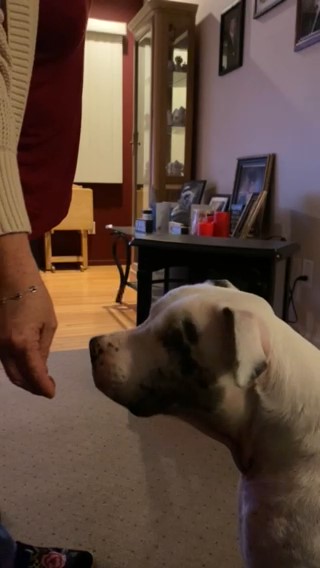
Tip: Anyone nervous hand-feeding dogs are better off feeding the dog from a metal spoon or through a hand-held feeding tube. Peanut butter or other smooth or paste-type food works well for this technique.
Lacking Bite inhibition
It is important that every puppy learn bite inhibition in order for them to refrain from using too much mouth pressure on people and other dogs. While most puppies learn bite inhibition from the dam and litter mates, that is not always the case. For those who lack bite inhibition, it is up to the owner to teach it.
Experience
If you allow dogs to grab treats out of your hand and fail to teach proper etiquette, your dog will never know their behavior is unacceptable. Dogs don’t know this behavior is rude. All they understand is that they get a food reward. They only learn that the behavior is unacceptable when the reward is withheld until a more desirable behavior is achieved. This is taught by consistently rewarding your dog only when that desired behavior is achieved.
In our next blog post, we’ll share training techniques that teach your dog to take treats gentle.
ISCDT’s self-paced, 18-lesson, online course prepares you for a new career as a dog trainer. Your personal mentor helps build your skill through written assignments and video submissions of you working with dogs. Visit our website to learn more: https://iscdt.com
Feature photo credit: Chewy on Unsplash
 ISCDT - The Dog Trainer's School